
Rule of thumb: if only one panel is damaged and the door is less than about 10 years old, replace just that panel. If two or more panels are dented, bent, or rusted, or the door is older and starting to show its age elsewhere, it's usually smarter to replace the whole door.
Like most rules of thumb, this one has exceptions. If your door's model has been discontinued, a single new panel may not match the color or texture of the rest of the door, especially after years of Florida sun fading the panels you already have. If your home sits closer to the coast toward Apollo Beach or Ruskin, salt air speeds up corrosion, and a panel repair on a door that's already rusting along the bottom section is often just a short-term patch. And if your current door doesn't meet modern wind-load expectations for hurricane season, a full replacement is the only way to actually fix that.
What Panel Replacement Involves
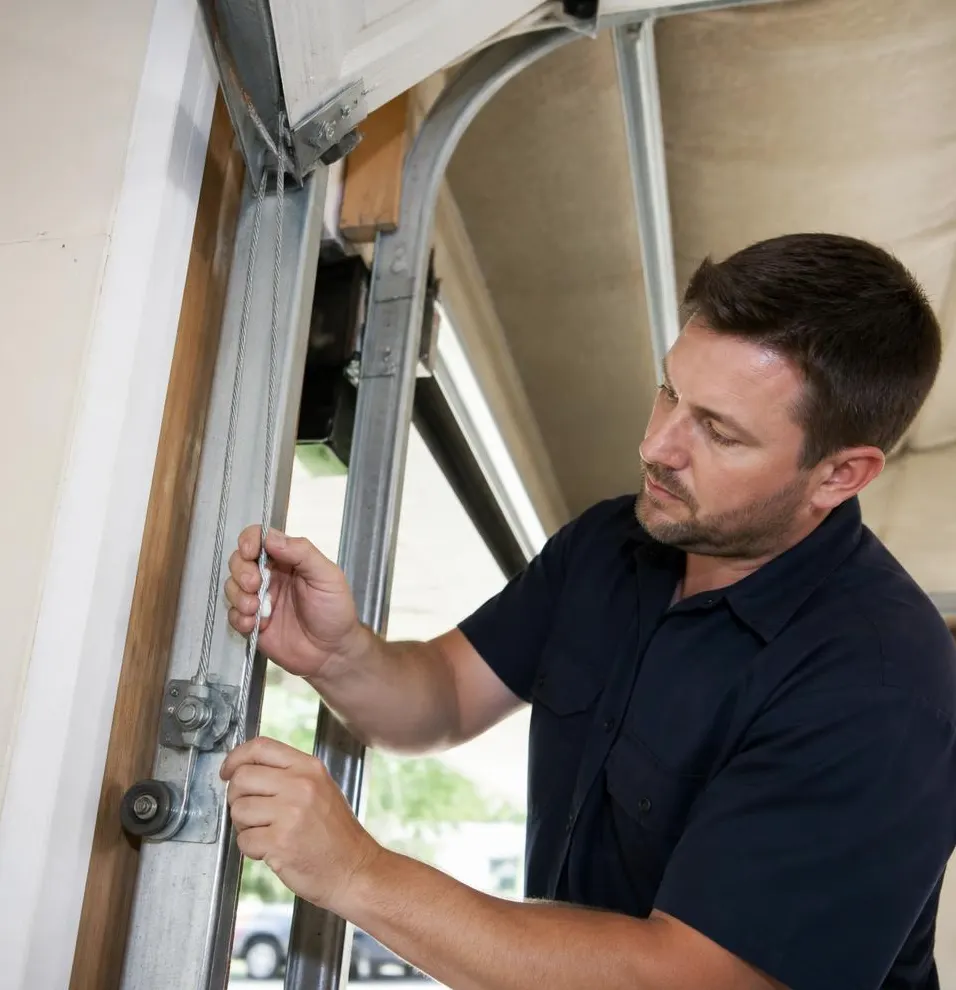
A garage door is built in sections, so a technician can usually unbolt the damaged panel and bolt in a matching one without touching the rest of the door. This works well when:
- The damage is isolated to one section, usually from a backed-into mailbox post, a basketball hoop mishap, or wind-driven debris during a storm.
- The springs, cables, rollers, and opener are all in good working order.
- The door isn't old enough that the manufacturer has moved on to new colors, panel designs, or insulation specs.
Trade-offs: panel replacement is faster and cheaper (national ranges for a single panel typically run a few hundred dollars depending on material and insulation), but you're relying on finding an exact match. Steel doors with a baked-on finish can be especially tricky to match once the paint has weathered for several years in Florida's sun and humidity.
What Full Door Replacement Involves
Replacing the whole door means new panels top to bottom, usually paired with new springs, cables, rollers, and track, since it rarely makes sense to put old hardware on a brand-new door. This is the better call when:
- Multiple panels are damaged, rusted, or warped from years of humidity and swelling.
- The door is old enough that parts are hard to source, or the track and hardware are worn enough that they'd need replacing soon anyway.
- You want a door rated for current wind-load expectations, which matters a lot once hurricane season rolls around.
- You're planning to sell the home and want the curb appeal of a uniform, undamaged door.
Trade-offs: full replacement costs more upfront (national ranges often run into the low thousands depending on size, material, and insulation) and takes longer to install, but it resets the clock on wear, rust, and wind resistance all at once instead of patching problems one at a time.
Side-by-Side: Panel vs. Whole Door
- Cost: Panel is cheaper short-term; full door costs more now but avoids repeat repairs.
- Appearance: Panel risks a visible color or texture mismatch, especially on older or faded doors; full door guarantees uniform look.
- Timeline: Panel swaps are usually quicker; full installs take longer but include a hardware inspection.
- Storm readiness: Panel repair doesn't change the door's wind rating; full replacement lets you upgrade to a door built for current wind-load expectations.
- Long-term value: Panel repair makes sense on a newer door with isolated damage; full replacement makes more sense once rust, swelling, or multiple dents show the door is wearing out overall.
What Makes the Most Sense Locally
Riverview's combination of heat, humidity, and seasonal storms is hard on garage doors. Moisture works into seams and fasteners, panels swell slightly in the humid months, and anything with existing rust tends to get worse rather than better. If a damaged panel is sitting next to sections that already show pitting, flaking paint, or soft spots from moisture, repairing just the one panel often just delays a bigger job. For most typical homes here, single-panel repair is the right call when the door is relatively young and the rest of it is solid. Once you're dealing with an older door, visible rust in more than one spot, or you want the peace of mind of a wind-rated door before the next storm season, full replacement is the better long-term investment.
When to Call Riverview Garage Door Repair
If you're not sure which category your door falls into, that's exactly the kind of call we handle every week. We'll inspect the damaged panel, check the rest of the door for rust or wear you might not notice from the driveway, and give you a straight answer. If it's a clean, isolated repair, our Garage Door Panel Replacement service gets it matched and installed quickly. If the door's hardware is tired too, we'll walk you through full replacement options and can pair it with Garage Door Tune-Up & Maintenance so everything from springs to rollers is working right from day one.
If you've got a dinged-up panel or a door that's seen better days, call Riverview Garage Door Repair for same-day service in Riverview, FL and the surrounding area.